
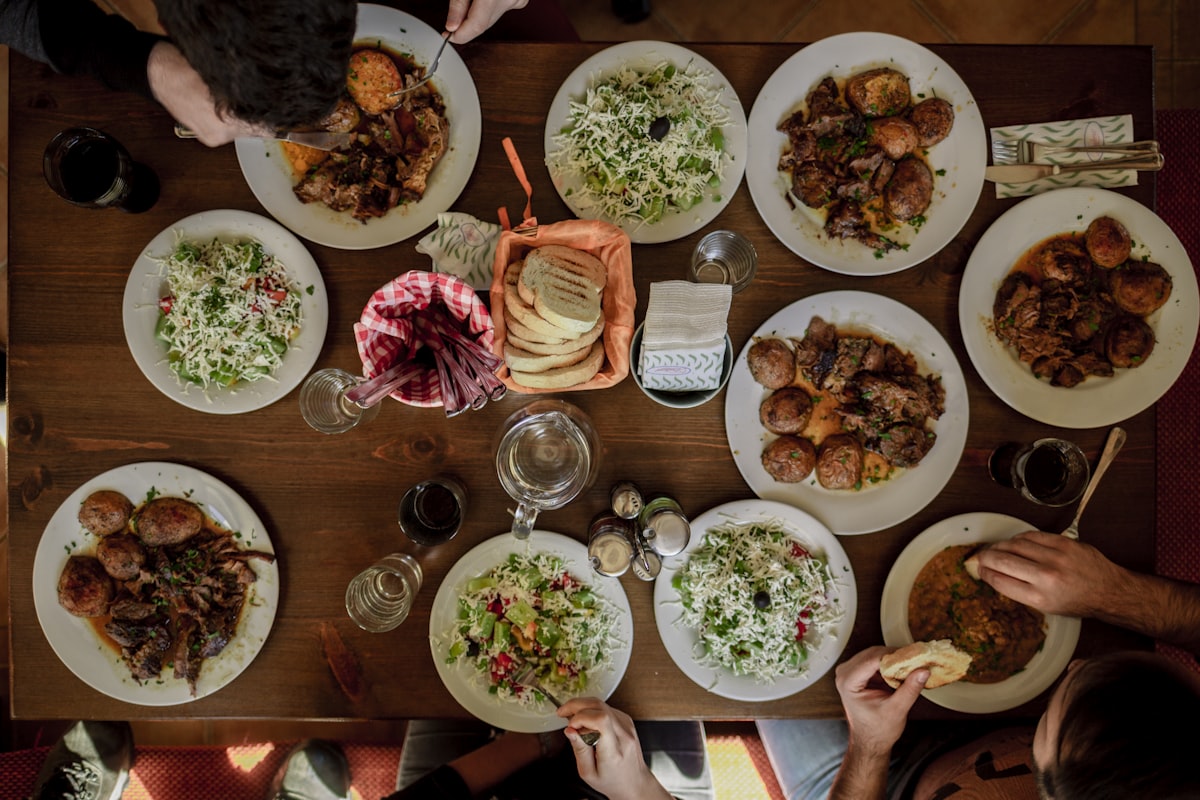
The Restorative Dinner: Fuel for Recovery
In many high-capacity households, dinner is the final logistical hurdle. However, it should be viewed as the Restorative Anchor—the critical window that determines your family’s sleep quality.
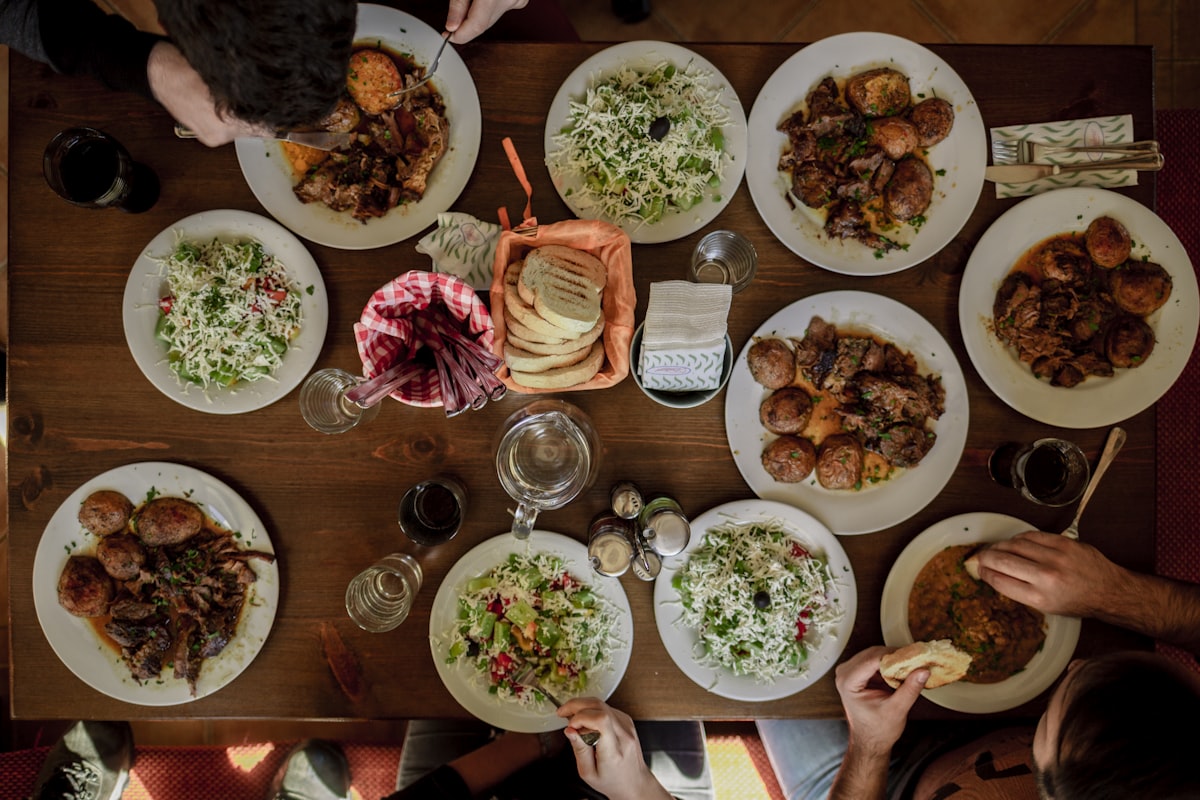
At Mealtime Calm, we understand that dinner is not just about satiety; it’s about Neurological Recovery.
What you consume at 6:30 PM dictates the release of Melatonin and the stabilization of Blood Glucose throughout the night. Poor evening nutrition leads to fragmented sleep, nighttime anxiety, and “AM Brain Fog.” This guide details the protocols for engineering a restorative evening meal.
Section 1: The Bio-Chemistry of Evening Recovery
To optimize sleep, your dinner must support the body’s natural circadian rhythms.
- The Tryptophan-Serotonin Axis: Incorporating high-quality proteins rich in Tryptophan (Turkey, Salmon, Pumpkin Seeds) provides the raw material for Serotonin, which the brain then converts into Melatonin—the master sleep hormone.
- Complex Carbohydrates (The Glycogen Buffer): While we prioritize protein, a moderate portion of complex carbohydrates (Sweet potatoes, Quinoa) helps transport Tryptophan across the blood-brain barrier and prevents nighttime “Glucose Dips” that trigger adrenaline-induced wakefulness.
Section 2: Dismantling the “Interrogation Dinner”
Psychological safety is just as important as biochemistry for sleep. If dinner is a high-stress “Performance Review” of the school or work day, cortisol levels remain elevated, inhibiting the parasympathetic nervous system (Rest and Digest).
The “Cozy Logistics” Protocol:
- Lighting: Dim the lights 30 minutes before the meal.
- Audio: Eliminate digital noise. Use soft, instrumental sounds.
- Vibe: Focus on shared presence rather than investigative questions. A calm nervous system is the prerequisite for deep, restorative sleep.
Section 3: The “Zero-Effort” Evening SOP
Burnout happens when the most complex meal of the day occurs during your period of lowest bandwidth. Use Component Batching to ensure dinner is assembled in under 12 minutes.
- The Protein Base: Roasted chicken or salmon prepared during your Sunday Sprint.
- The Fiber Load: Steamed or roasted vegetables staged for rapid reheating.
- The Satiety Fat: A fresh avocado or a drizzle of extra virgin olive oil to signal fullness to the brain.
Frequently Asked Questions
Can dinner timing affect sleep quality?
Do children need more carbs at dinner?
How do I handle the 'Post-Work Collapse' during prep?
Key Terms Glossary
- Restorative Anchor
- The final meal of the day, specifically engineered to support sleep architecture and physiological repair.
- Tryptophan-Serotonin Axis
- The chemical pathway where dietary amino acids are converted into mood and sleep-regulating hormones.
- Glycogen Buffer
- A strategic intake of complex carbohydrates that prevents nighttime glucose drops and sleep interruption.
- Component Batching
- Pre-preparing versatile meal elements to eliminate prep labor during high-fatigue windows.
- Melatonin Signaling
- The process of using environmental cues and nutrition to trigger the body's natural sleep-onset mechanisms.