
The Texture Transitions Rule: Systematic Growth
For children with sensory processing differences, texture is often the most significant barrier to nutritional diversity. You may have noticed your child rejecting an entire “family” of foods—anything “mushy,” “wet,” or “crunchy with seeds.” To the untrained eye, this looks like defiance. To the child’s brain, it is a Defensive Tactical Response.
In this guide from Mealtime Calm, we implement The Texture Transitions Rule. This is a systematic methodology for moving a child from a “Safe Texture” to a “Target Texture” by changing only 10% of the sensory input at a time. By mastering the Texture Continuum, you move from reactive feeding to high-performance sensory engineering.
Section 1: The Physics of Oral-Motor Fatigue
Texture isn’t just about taste; it’s about Logistical Effort. Chewing is a complex neurological task. For children with low oral-motor tone, a “tough” piece of meat or a “fibrous” vegetable requires intense cognitive focus.
The Exhaustion Threshold
If a child is tired after a long academic day, they will naturally gravitate toward “Low-Effort” textures (smooth yogurts, soft breads, processed nuggets). Forcing a “High-Effort” texture (celery, steak) during a period of low bandwidth will almost always result in systemic failure. Safety starts with matching the texture effort to the child’s current energy reservoir.
Section 2: The Texture Continuum: Mapping the Path
To bridge successfully, you must first map your child’s current Safe Tiers.
Tier 1: The “Uniform Crunchy” Tier (High Stability)
Most selective eaters start here. Crackers, chips, and nuggets provide a predictable “Acoustic Feedback” (the crunch) that signals safety to the brain.
Tier 2: The “Smooth Purée” Tier (Low Texture Intensity)
Yogurts, smooth sauces, and soups. The risk here is the “Hidden Seed” or “Suspicious Lump”—a single unpredictable texture break can cause a complete system shutdown.
Tier 3: The “Complex Hybrid” Tier (High Threat)
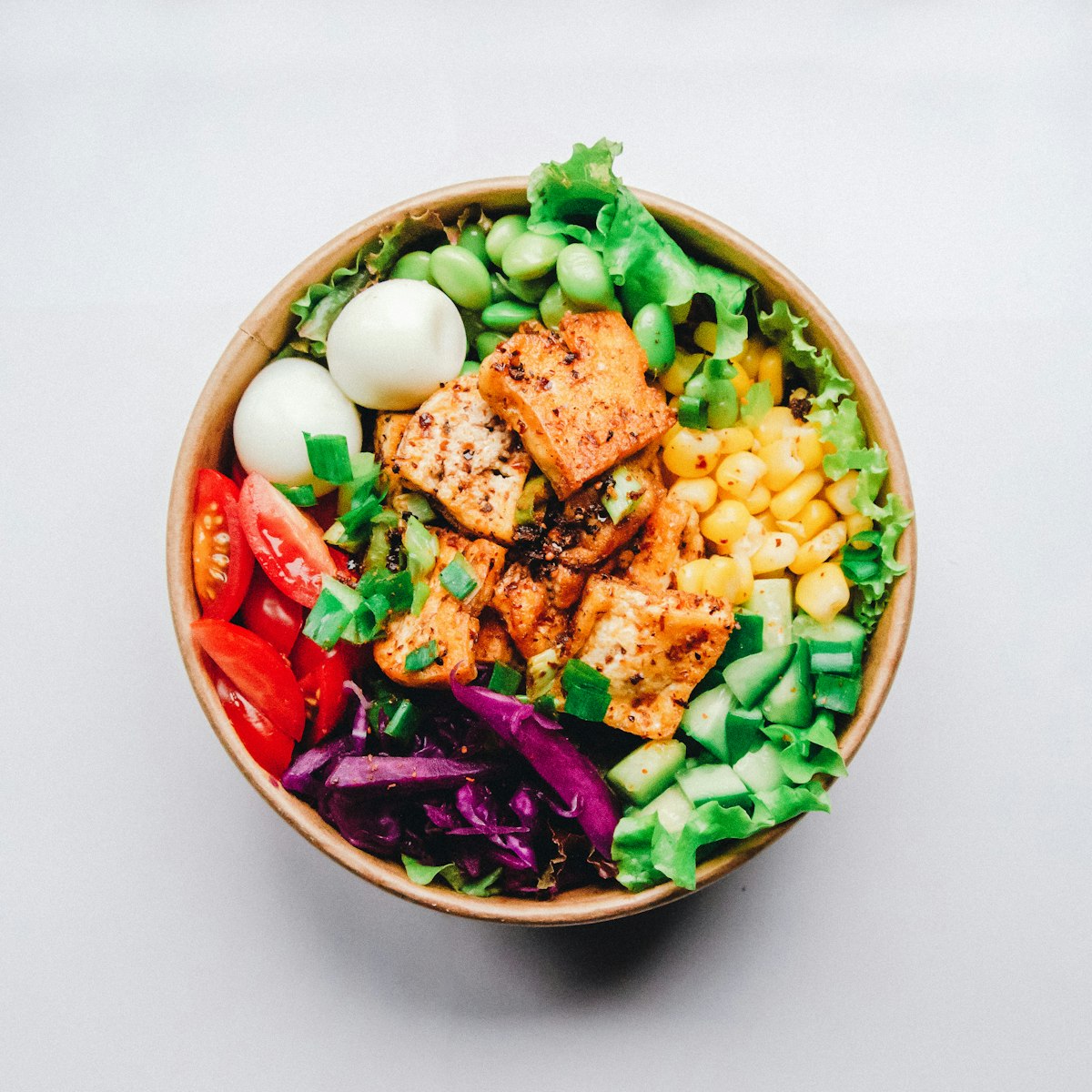
This is where 90% of failures occur. Think of chunky stews, salads, or burritos. Multiple textures (soft, wet, crunchy, fibrous) hitting the tongue simultaneously trigger a “Sensory Overload.”
Section 3: Implementing the 10% Increment Rule
The Texture Transitions Rule states: Never change more than one characteristic of a safe food at a time.
Case Study: Bridging from Smooth Yogurt to Fruit
- Level 0 (The Anchor): 100% Smooth Vanilla Greek Yogurt.
- Level 1 (The Micro-Variation): 90% Smooth Yogurt + 10% strained fruit juice. Change: Flavor, but not texture.
- Level 2 (The Texture Intro): 90% Smooth Yogurt + 10% finely blended fruit pulp. Change: Viscosity, but no lumps.
- Level 3 (The Final Bridge): 80% Smooth Yogurt + 20% microscopic fruit pieces.
By the time the child reaches the “Chunky” yogurt, their brain has already been primed for the flavor and the slight shifts in mouthfeel. The bridge remains intact.
Section 4: Tactical Tools for Oral-Motor Desensitization
Before the meal even begins, you can prime the sensory system.
- Vibration Therapy: Using a vibrating toothbrush or specific therapy tools can “wake up” the oral-motor system, making it more resilient to new textures.
- The “Crunch-Off”: Pair a safe crunchy food (cracker) with a microscopic piece of a new crunchy food (radish slice). The “Safe Crunch” masks the initial threat of the new texture.
Section 5: The “Deconstructed” Logistics
If your goal is for your child to eventually eat a taco, start by serving the components separately.
- The Safe Base: The tortilla or chips.
- The Protein Block: Plain, non-sauced meat.
- The Texture Discovery: A small dish of shredded lettuce or cheese.
This allows the child to interact with each texture on their own terms, preserving their Decision Reservoir for the actual tasting process.
Frequently Asked Questions
Why does my child only eat 'Crunchy' foods?
What if the 10% bridge still causes a gag reflex?
Does temperature affect texture perception?
Key Terms Glossary
- Texture Transitions Rule
- A systematic methodology for moving from a safe food to a target food by changing only 10% of the sensory input at a time.
- Oral-Motor Fatigue
- The physical exhaustion of the jaw and tongue muscles, which can lead to the rejection of 'hard-to-chew' foods.
- Acoustic Feedback
- The sound produced when biting certain foods (like crackers), which signals to the brain that the food is safe and predictable.
- Acosutic Tier
- A categorization of foods based on their texture complexity, ranging from uniform crunchy to complex hybrids.
- Sensory Lateralization
- The process of the brain learning to process and integrate different sensory inputs simultaneously.