
The Trust Architecture: Safety First
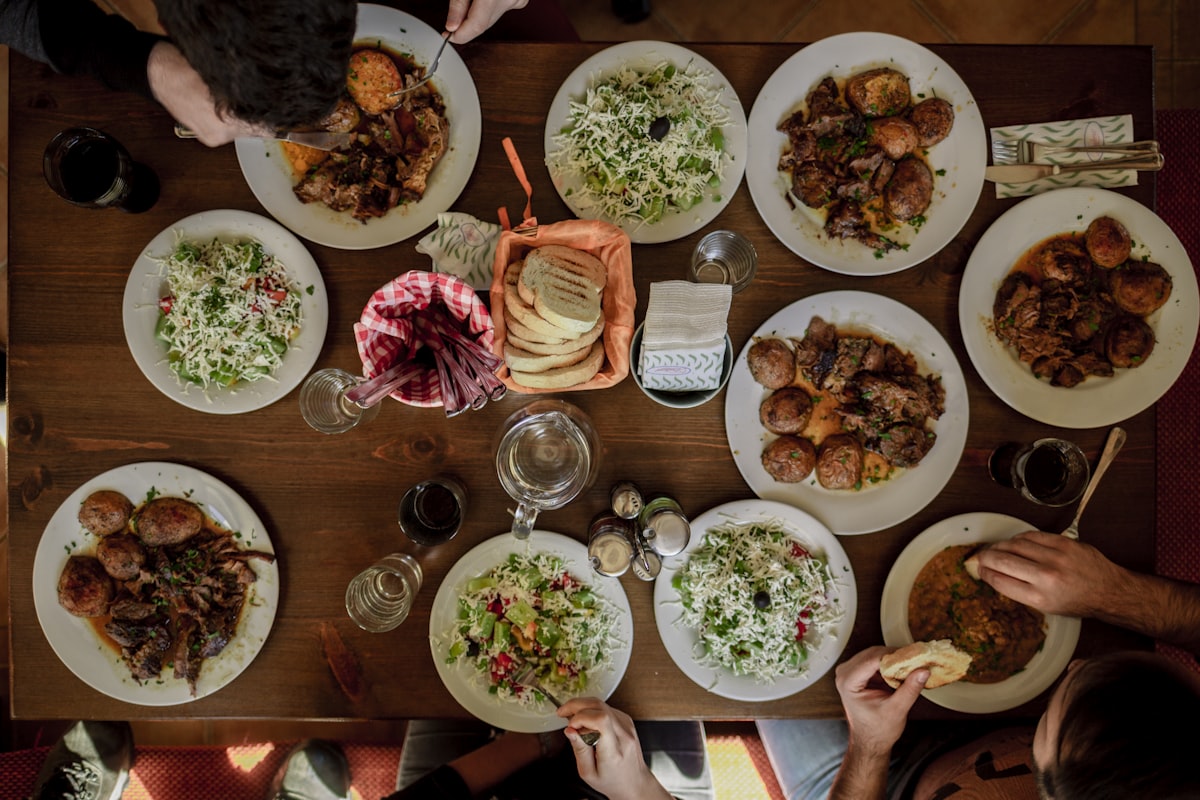
In many high-performance households, the dinner table is unintentionally transformed into a theater of conflict.
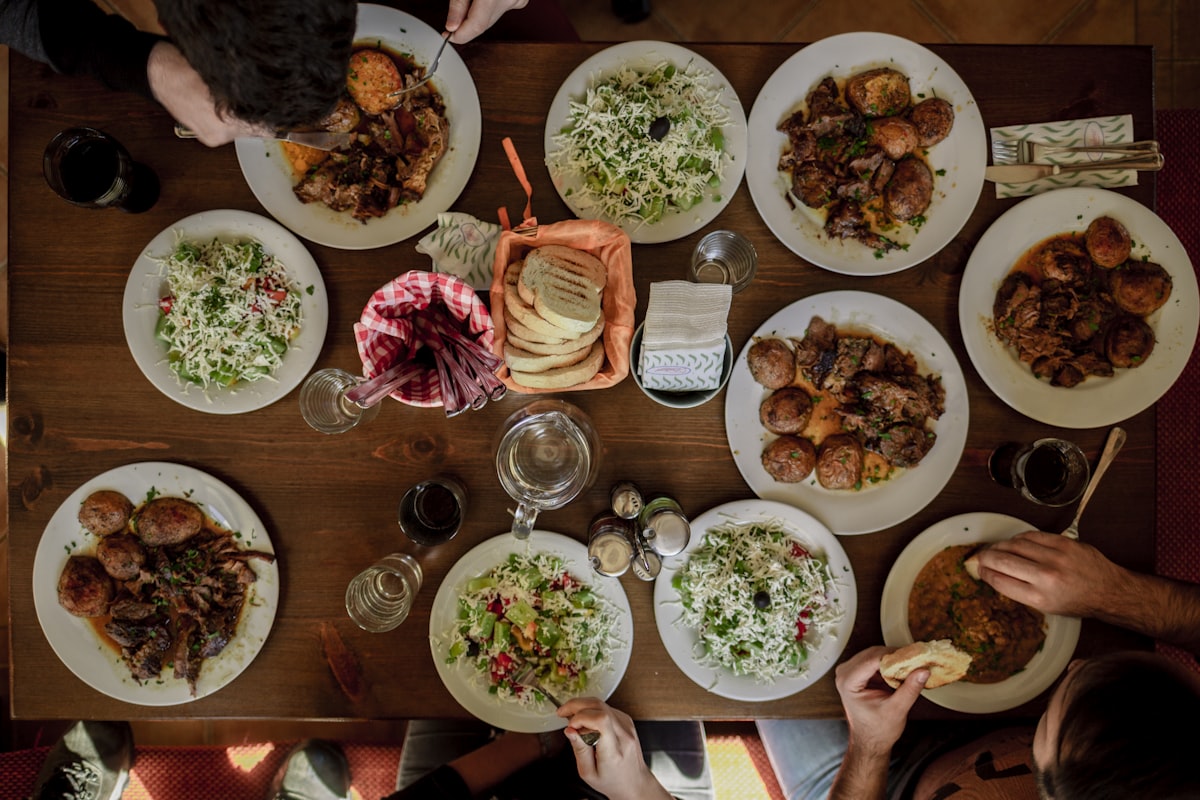
At Mealtime Calm, we understand that Appetite is the byproduct of Safety.
If a child’s nervous system is in a state of “High Alert” (the sympathetic nervous system), their digestive system literally slows down. In this state, a “Polite Bite” request feels like an invasive threat. To solve picky eating, we must first build a Trust Architecture—a repeatable, high-safety environment where the family can regulate their central nervous systems and reconnect.
Section 1: The Polyvagal Theory of the Dinner Table
To understand safety, we must understand the body’s “Internal Surveillance System.” According to the Polyvagal Theory, developed by Dr. Stephen Porges, our nervous system constantly scans for cues of safety or danger.
- Cues of Danger: Raised voices, intense eye contact (the “Parental Stare”), tight deadlines, and unexpected food exposure. These trigger the “Fight or Flight” response, making exploration impossible.
- Cues of Safety: Soft vocal prosody, rhythmic environments, predictable food locations, and shared presence. These trigger the Ventral Vagal State—the only state in which a human brain can curious, social, and hungry.
Section 2: Dismantling the “Interrogation Table”
The most common mistake high-capacity parents make is using mealtime as a secondary “Management Meeting.” We ask: “How was school? Did you eat your lunch? Why aren’t you eating the chicken?”
This interrogative style forces the child back into an executive state that they have already exhausted for the day. Instead, move toward Presence-First Logistics.
The “Drop the Agenda” Protocol:
For the first 10 minutes of the meal, implement a “No-Management Zone.” Talk about non-weighted topics: movies, hypotheticals, or shared observations. This allows everyone’s cortisol levels to drop, creating a “Metabolic Loading Window” for appetite to emerge.
Section 3: The Sensory Environment Audit
Treat your dining area like a High-Performance User Interface (UI).
- Auditory Load: Turn off background news or chaotic music. Use soft, instrumental tracks or, better yet, comfortable silence.
- Lighting Dynamics: Avoid harsh, flickering overhead lights. Dim the lights to signal to the brain that the “Logistical Day” has ended and the “Connection Cycle” has begun.
- Seating Logistics: Ensure your child is physically supported. A child whose feet are dangling is using 30% of their neurological energy just to maintain balance. Use footstools to create a sense of physical security (Proprioceptive Feedback).
Section 4: The Division of Responsibility (DoR)
High-performance logistics depend on clear Accountability Boundaries. We follow the Ellyn Satter Institute’s Gold Standard for feeding dynamics:
- The Parent’s Responsibility: What is served, Where it is served, and When it is served. (Logistics Management).
- The Child’s Responsibility: Whether they eat and How much they eat. (Biological Sovereignty).
When you trespass into the child’s responsibility (by pleading, bribing, or punishing), you destroy the trust architecture. When you hold your boundary firmly but calmly, the child feels safe within the structure you have provided.
Section 5: The “No-Threat” Plate Architecture
How you present the food determines the initial “Threat Assessment.”
- The Learning Plate: Use a separate small dish for “Experimental” foods. This prevents the “Texture Contamination” of their safe haven.
- Micro-Exposures: Success is not measured by swallowing. Success is a child tolerating the presence of a broccoli floret on their table for 15 minutes without a meltdown. That is progress in the Trust Architecture.
Frequently Asked Questions
What is the 'No-Management Zone'?
How does the 'Division of Responsibility' work?
Why is seating logistics important for safety?
Key Terms Glossary
- Trust Architecture
- A repeatable, high-safety environment designed to regulate the family's nervous systems before meal consumption.
- Polyvagal Theory
- The science of how the nervous system scans the environment for cues of safety or danger, affecting physiological states.
- Ventral Vagal State
- The physiological 'green zone' where the brain feels safe enough to focus on social connection and hunger.
- Presence-First Logistics
- Prioritizing shared presence and regulation over investigative questions or nutritional management during meals.
- Division of Responsibility
- The gold-standard feeding framework defining the distinct roles of parents and children during mealtimes.